Health and Safety Policy for Cleaners Tooting
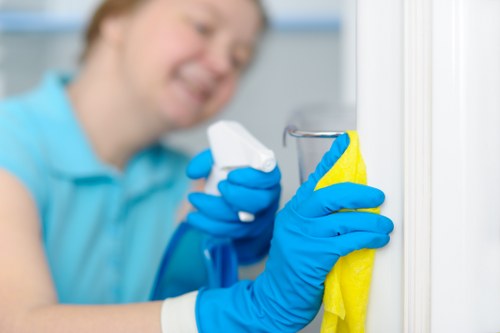 This health and safety policy sets out the standards expected of all cleaning operatives working for cleaners Tooting. It is designed to protect staff, clients, visitors, and anyone else who may be affected by cleaning activities. Our approach is based on prevention, clear communication, and consistent safe working practices. Every cleaner is expected to follow this policy at all times and to act with care, professionalism, and responsibility.
The aim of this policy is to reduce risk, prevent injury, and support a safe working environment. Cleaning work can involve slips, trips, falls, chemical exposure, repetitive movement, manual handling, and contact with contaminated surfaces. For this reason, all local cleaners must understand the hazards associated with their tasks and use control measures correctly. Safety is not separate from service quality; it is an essential part of reliable cleaning.
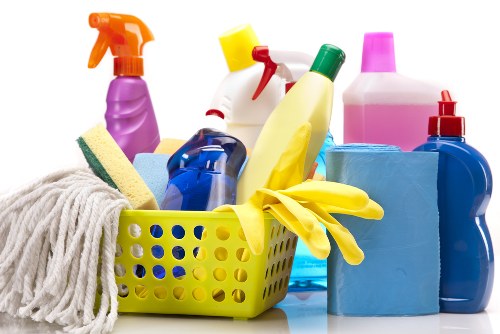 Management will provide appropriate training, supervision, and equipment so that every member of the team can perform duties safely. This includes guidance on safe use of products, correct posture and lifting methods, personal protective equipment, and emergency procedures. We expect every member of the Tooting cleaning team to cooperate fully with safety instructions and to report concerns promptly so that action can be taken without delay.
Risk assessments will be carried out for regular tasks and for any unusual or higher-risk work. These assessments help identify potential dangers and determine the safest way to complete a job. Where necessary, methods will be adjusted to reduce exposure to hazards. In practice, this means choosing suitable equipment, limiting contact with harmful substances, and planning work so that the environment remains safe for both staff and occupants.
All cleaning materials must be used in accordance with the manufacturer’s instructions and internal safety rules. Products should never be mixed unless specifically approved, and containers must be clearly labelled at all times. Cleaning services in Tooting will only use chemicals that are suitable for the task and stored securely when not in use. Any spillages should be dealt with immediately using the correct procedure to prevent slips or accidental contact.
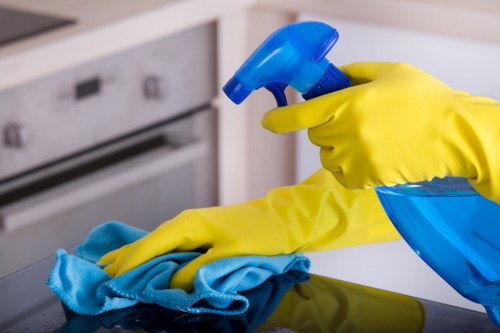 Personal protective equipment, or PPE, will be provided where required and must be worn correctly. This may include gloves, eye protection, aprons, or masks depending on the task being completed. PPE helps reduce risk, but it does not replace careful working habits. Staff should check equipment before use, report damage, and replace items when they are no longer effective. Cleaners must also maintain good hygiene by washing hands regularly and avoiding unnecessary touchpoints.
Safe manual handling is a key part of this policy. Cleaning operatives may need to move bins, vacuum equipment, or supplies, so correct lifting techniques are essential. Team members should assess the load before lifting, bend the knees, keep the back straight, and ask for help when a load is too heavy or awkward. Where possible, mechanical aids should be used to reduce strain and prevent musculoskeletal injury.
Work areas must be kept tidy to minimise the risk of accidents. Tools, cords, and materials should not be left in walkways, and wet floors must be marked clearly until they are safe to use. Professional cleaners should also be alert to hidden hazards such as broken glass, damaged flooring, unstable furniture, or poor lighting. If a hazard cannot be made safe immediately, it must be reported and the area isolated if necessary.
Emergency procedures form an important part of safe practice. All staff must know what to do in the event of fire, injury, chemical exposure, or another incident. First aid arrangements should be followed without hesitation, and any accident or near miss must be recorded according to procedure. Regular review of incidents helps improve future safety and strengthen the way cleaning professionals work across different sites.
 The policy also covers the safe use of electrical equipment. Before using appliances such as vacuum cleaners, polishers, or steam devices, cleaners should check for visible damage, loose wiring, or signs of fault. Equipment must be switched off before cleaning or moving it, and plugs should be handled with dry hands. Any defective item must be taken out of service immediately until it has been inspected and cleared for use.
Occupational health is another important consideration. Repeated cleaning movements can cause fatigue, so breaks, hydration, and task rotation should be encouraged where practical. Staff should be supported to speak up if they feel unwell, are experiencing pain, or believe a task is beyond their physical capacity. A safe workplace depends on listening to concerns early and making sensible adjustments when needed.
Supervisors are responsible for monitoring compliance with this policy and for ensuring that standards remain consistent. They should check that staff follow safe methods, use appropriate equipment, and understand the risks linked to their duties. Where unsafe behaviour is identified, corrective action and additional training should be provided. The aim is not blame but improvement, helping every Tooting cleaning service operate with confidence and care.
All employees have a duty to take reasonable care of themselves and others. This includes following instructions, using equipment properly, and not carrying out work if they feel unsafe or unfit. Cleaners should also protect confidentiality, respect the property they are working in, and avoid creating unnecessary disruption while maintaining safe standards throughout the job.
 This policy will be reviewed regularly to ensure it remains effective and suitable for the work carried out. Updates may be made following changes in procedure, equipment, legislation, or after an incident highlights the need for improvement. By working together and keeping safety at the centre of every task, cleaners Tooting can deliver a dependable service while protecting everyone involved.